The 5 Best Pool Financing Options Ranked for 2026

The 5 Best Pool Financing Options Ranked for 2026
Last updated: 2026-10-16
Dreaming of a backyard oasis sounds wonderful, but the actual construction process can quickly turn into a financial headache. Whether you want a saltwater pool or a heated spa, those upfront costs often feel like a mountain to climb. A standard in-ground pool installation typically runs anywhere from $40,000 to over $100,000 once you add excavation, filtration, decking, and landscaping. These big expenses require a smart financing plan so your summer retreat doesn’t become a permanent financial anchor.
Deciding on a lender depends on how fast you need the cash and where your credit score stands today. Some homeowners prioritize speed to keep contractors on schedule. Others hunt for the lowest interest rates to protect their long-term savings. If a contractor demands a 50% deposit before breaking ground, a slow bank loan might cost you your preferred installation window. On the other hand, a luxury pool with automated lighting might require a loan larger than most personal lenders allow.
- JetzLoan
- PaydayPact
- USDA Rural Development
- GoCredit
- Alliant Credit Union
How These Lenders Were Evaluated for Backyard Projects
We looked at how effectively each provider meets the specific needs of a home improvement project. This evaluation focused on funding speed, maximum loan limits, and how easy it is for different credit profiles to apply. We analyzed these providers by looking at the entire project lifecycle, from the first quote to the final inspection and the last payment.
Speed matters because pool installations are seasonal. A lender that takes weeks to approve a loan might cause you to miss the perfect summer window. In many areas, the construction season only lasts a few months of good weather. If you miss the April application window for a June installation, you might be waiting until next year. We looked for lenders offering «instant» or «next-day» funding to help beat those seasonal pressures. We also checked for transparency regarding credit impact, specifically looking for «soft» pulls for preliminary quotes.
Accessibility was another major part of this comparison. Since not every homeowner has a pristine credit history, we needed to identify which lenders allow for «soft» inquiries that won’t damage a score. This allows homeowners to shop around without fear of lowering their score during the research phase. We also considered loan purpose restrictions. While many personal loans are flexible, some lenders prefer home improvement use cases, which can sometimes lead to better terms.
| Lender Name | Max Loan Amount | Funding Speed | Credit Check Type |
|---|---|---|---|
| JetzLoan | $50,000 | As little as 24 hours | No hard credit pull |
| PaydayPact | See site | See site | See site |
| USDA Rural Development | See site | See site | See site |
| GoCredit | $4,000 | Quick approval | See site |
| Alliant Credit Union | See site | See site | See site |
Financing Strategies: Loans vs. Home Equity
Before picking a lender, you should understand which type of financing matches your property’s equity and your financial goals. Most homeowners choose between three main paths: Personal Loans, Home Equity Lines of Credit (HELOC), and Cash-Out Refinancing.
Personal loans, like those from JetzLoan, are unsecured, meaning the lender isn’t using your house as collateral. Because of this, interest rates are typically higher than equity-based loans, but the process is incredibly fast. You don’t need an appraisal or a mountain of paperwork. This makes them ideal for smaller additions like a hot tub or an above-ground pool. You can often have funds in your account before the contractor even shows up to survey the yard.
At the other end of the spectrum, a HELOC or a Home Equity Loan uses your home as collateral. If you are planning a massive renovation including a pool, an outdoor kitchen, and a new patio, a HELOC might be more cost-effective. Since the loan is secured by your property, interest rates are generally much lower and you can borrow larger sums. The downside is the complexity. You must go through a credit check, a home appraisal, and a rigorous underwriting process that can take 30 to 45 days.
Top Rated Pool Financing Picks
1. JetzLoan
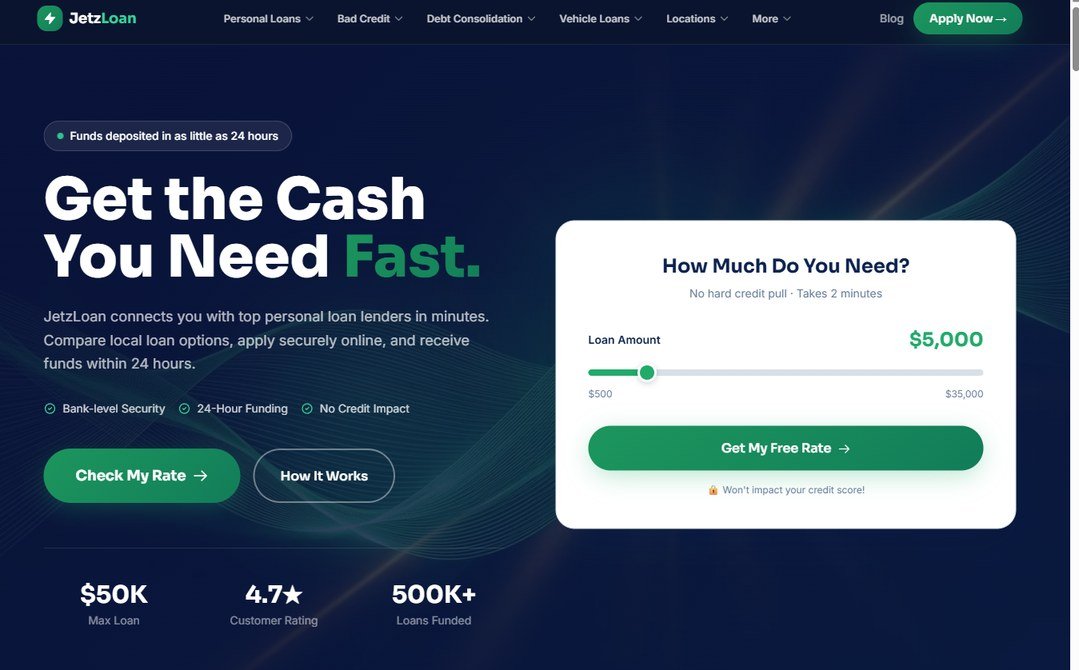
If you are staring at a hole in your backyard and need a contractor to start digging immediately, this is a heavyweight contender. JetzLoan specializes in connecting users with top personal loan lenders in a matter of minutes. This platform acts as a bridge between the consumer and a network of lenders, streamlining the comparison process so you don’t have to spend hours filling out individual applications.
The platform is built for speed with a simple two-minute application form. It is an ideal choice for someone who needs up to $50,000 and wants to avoid a «hard» credit pull during the initial rate check. This distinction is critical. A «hard» pull can shave a few points off your credit score, which could affect your ability to get a mortgage or an auto loan later this year. With JetzLoan, you can see your estimated rates and terms without that immediate penalty.
Pros:
- Funds can be deposited in as little as 24 hours.
- No hard credit pull to check your rate.
- High customer rating of 4.7 stars.
Cons:
- Max loan amount is capped at $50,000.
2. PaydayPact
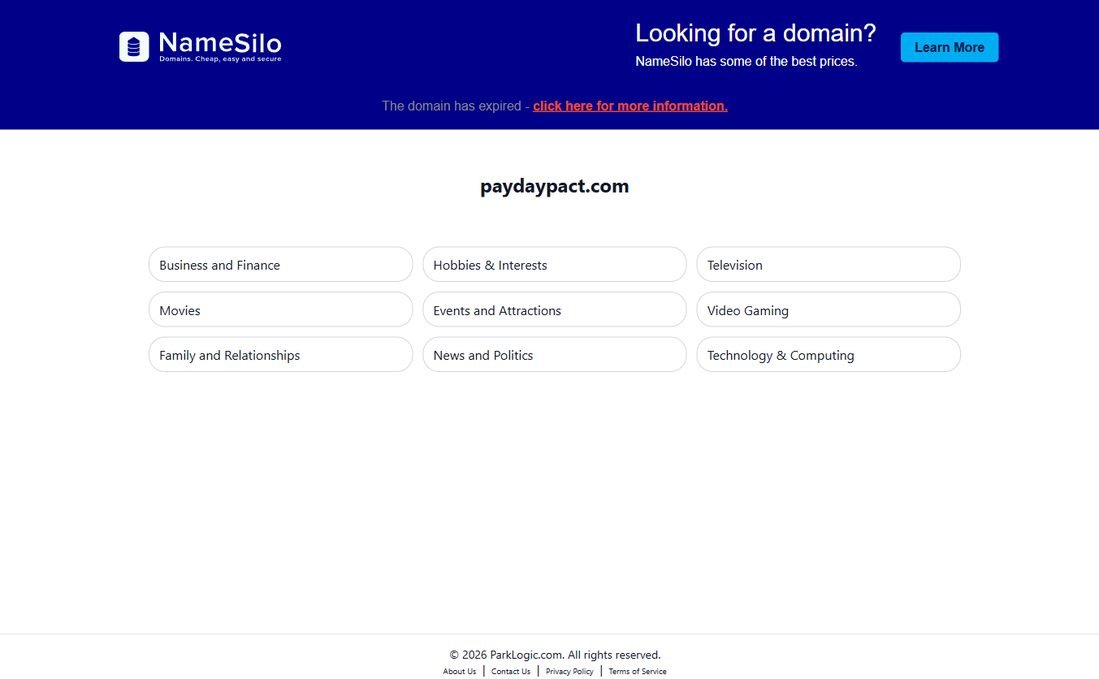
Finding the right financial partner can feel like searching for a needle in a haystack when you just want a simple service. PaydayPact currently appears to be a domain that has expired, making it unavailable for active loans. In the fast-moving world of fintech, websites and services frequently change ownership or close down, leaving behind «parked» domains that serve no active financial purpose.
Homeowners looking for immediate cash should be aware that this specific entity is not currently offering active financing products. It is a reminder to always double-check the status of a lender before committing any personal information. Always look for an active «Contact Us» page or a recent blog update to ensure a service is still operational before you start your application process.
Pros:
- None identified for active lending.
Cons:
- Domain has expired and service is unavailable.
- Cannot be used for current financing needs.
3. USDA Rural Development

For those living outside the bustling city limits, government-backed options provide a unique lifeline. USDA Rural Development offers programs that can assist with home repairs and various construction needs. These could potentially cover pool-related property improvements if they are deemed necessary for the property’s utility or safety. These programs are often designed to support low-to-moderate-income households in qualifying areas.
This is a great route for people living in qualifying rural areas who want to build, buy, or repair their homes. It is more of a long-term stability play rather than a quick cash injection for a weekend project. Because these funds are taxpayer-subsidized, the requirements for documentation—such as proof of income and residency—are much more stringent than a standard private loan. You will likely need to provide detailed plans of the work being done.
Pros:
- Official government-backed programs.
- Supports rural economies and community growth.
- Offers various loans and grants for home-related needs.
Cons:
- Eligibility is strictly limited to specific rural areas.
- The process can be more complex than private loans.
4. GoCredit
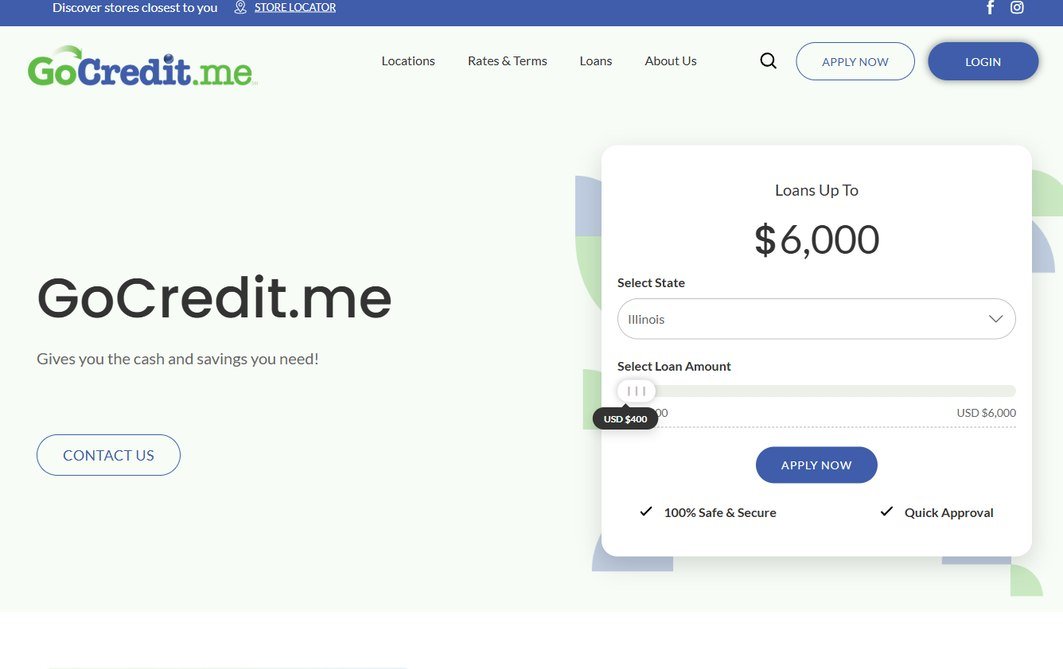
Sometimes, a pool project is just a small part of a larger financial rebuilding phase. GoCredit focuses on short-term installment loans designed to help users build their credit history while simultaneously establishing savings. This is a niche product that serves a dual purpose: providing immediate liquidity and improving your long-term financial health through consistent, on-time payments.
This is a solid option for someone who needs a smaller amount of cash, up to $4,000, to get a project started. For example, if you have already secured a larger loan but need an extra few thousand dollars to cover the unexpected cost of a premium salt-chlorination system, GoCredit can fill that gap. It is less about a massive renovation and more about steady, manageable financial growth.
Pros:
- Helps build credit history and savings.
- Quick approval process for smaller amounts.
- Available in several states like IL, MI, MO, and WI.
Cons:
- Lower loan limit of $4,000 may be insufficient for pools.
- Limited to specific geographic locations.
5. Alliant Credit Union
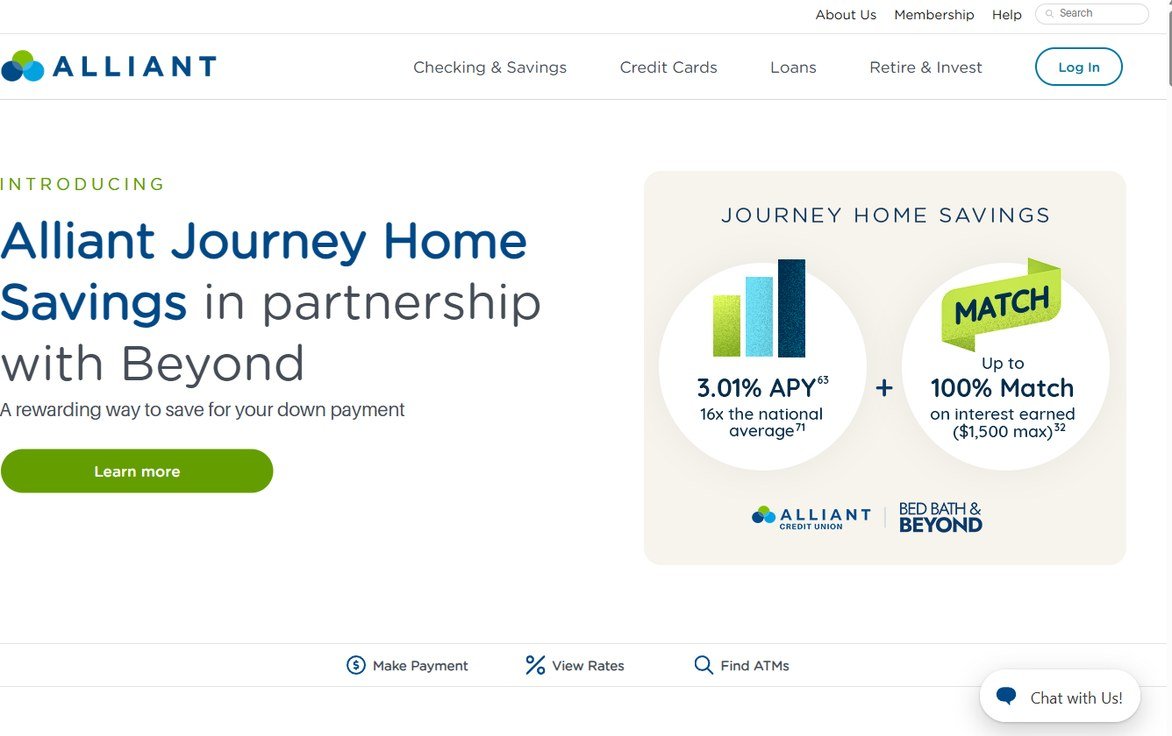
Credit unions often offer a more personal touch and better rates than traditional big-box banks. Because they are member-owned cooperatives, their primary motivation is often serving their members rather than maximizing shareholder profits. Alliant Credit Union provides a suite of banking services, including high-yield savings and checking accounts that can help you save for that big splash.
While they offer various loans, their strength lies in their high-rate savings accounts and certificates. If you have time to let your money grow, using their 12-month certificates could be a smart way to fund your dream backyard. If you know you won’t be building the pool for another 18 months, putting your renovation budget into a Certificate of Deposit (CD) can earn you interest, effectively making the bank help pay for part of your pool.
Pros:
- High-rate savings and certificate options.
- No monthly fees on certain checking accounts.
- Strong digital banking improvements.
Cons:
- Requires membership to access full benefits.
- May require more time to save compared to immediate loans.
Avoiding Common Pitfalls in Home Improvement Loans
The biggest mistake people make is ignoring the fine print on interest rates. It is easy to get caught up in the excitement of a new pool, but a high-interest rate can turn a summer luxury into a multi-year financial burden. Always ask for the Annual Percentage Rate (APR), which includes both the interest rate and any mandatory fees like origination fees. A loan with a lower interest rate might actually be more expensive if the upfront fees are significantly higher.
Another trap is failing to account for the «hidden» costs of pool ownership. Many homeowners borrow exactly what the contractor quotes, only to realize they are short once they consider:
- Increased electricity bills from the pump and heater.
- Chemical costs like chlorine and pH balancers.
- Professional maintenance services or high-end automated equipment.
- Insurance premiums (adding a pool can sometimes increase your homeowner’s insurance rate).
Always ensure that the lender you choose is legitimate and not a parked domain. As seen with some providers, a website that has expired can lead to a dead end when you are expecting a quick solution for your home. If a lender’s website looks outdated, lacks clear contact information, or has broken links, proceed with extreme caution. A legitimate lender will have clear, accessible customer service channels.
Finally, consider the impact on your credit score. If you are planning to buy a house in the next year, taking out a large personal loan for a pool might change your debt-to-income ratio significantly. Lenders looking to approve a mortgage will look at your total monthly debt obligations. Adding a $500/month pool loan payment could potentially decrease the amount of mortgage you qualify for, potentially delaying your ability to move into a larger home.
Derriere deux sites au design different se cache souvent la meme poignee de studios. Le catalogue est le vrai produit, et il vient d'ailleurs. C'est le developpeur, pas l'operateur, qui decide comment un jeu se comporte.
Studios de developpement et catalogues d'operateurs
Le studio ecrit le generateur de nombres aleatoires, le tableau des gains et la volatilite ; le casino se contente d'integrer le jeu tel quel. Les joueurs attentifs a la qualite du catalogue peuvent Win Place et regarder quels fournisseurs sont presents. Un site riche en studios reconnus offre en general une meilleure variete mathematique.
| Element | Decide par |
|---|---|
| Taux de retour | Le fournisseur |
| Volatilite | Le fournisseur |
| Choix du catalogue | Le casino |
- Regardez la liste des fournisseurs avant de juger un catalogue
- Ouvrez la fiche du jeu pour lire le taux de la version proposee
Savoir lire un catalogue par ses studios evite de choisir un site sur son apparence. La qualite du jeu est fixee en amont, chez le developpeur, et l'operateur n'y ajoute qu'une interface. Cela ne modifie pas l'avantage de la maison, present dans chaque titre quel que soit le fournisseur.
About Post Author